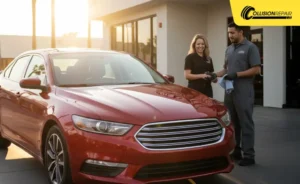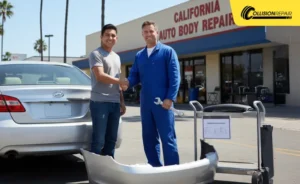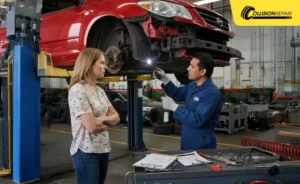
A car accident can leave more than just dents—it can raise tough questions about repair choices. A vehicle owner’s most common decision is to replace damaged bumpers with aftermarket or OEM bumpers. This choice can affect your budget, safety, warranty, and insurance claim.
For drivers in California, where accident rates remain high on busy highways, understanding the pros and cons of each option is essential. Let’s explore the differences to help you make an informed decision.
What Are OEM and Aftermarket Bumpers?
- OEM bumpers: Manufactured by the vehicle’s original company and designed to fit precisely.
- Aftermarket bumpers: These are produced by third-party companies, often at lower prices but with varying quality.
Both options serve the same purpose, but the materials, craftsmanship, and compatibility may differ significantly. Federal standards also require that bumpers protect the vehicle’s body and essential safety parts during low-speed crashes.
They must withstand impacts at 2.5 mph, similar to a 5 mph crash with a vehicle of equal weight. Because of this, the quality and fit of a bumper—whether OEM or aftermarket—can directly influence how well your car holds up in everyday accidents.
Pros and Cons of OEM Bumpers
Advantages
- Guaranteed fit and design consistency
- Maintain original factory standards
- Often required to keep warranties intact
Disadvantages
- Higher cost compared to aftermarket options
- It may take longer to order and deliver
Pros and Cons of Aftermarket Bumpers
Advantages
- More affordable than OEM options
- Widely available from multiple manufacturers
- Variety of styles and finishes
Disadvantages
- Quality can vary greatly
- May not meet manufacturer safety standards
- Could complicate insurance claims
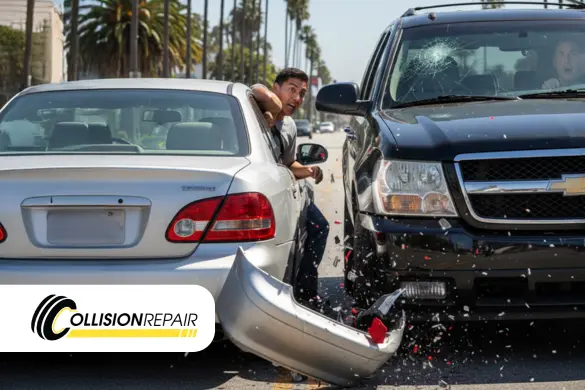
Legal and Insurance Considerations in California
Under California law, insurance companies can’t require non-OEM crash parts unless they match OEM parts in quality, safety, fit, and performance. They must cover modifications, ensure proper labeling, and disclose their use to policyholders.
Using aftermarket parts may save money upfront, but it could affect your ability to recover full value in future claims or reduce resale value. Some auto insurers prefer aftermarket car parts, arguing they reduce repair costs. Still, safety should remain the top priority.
A poorly fitting bumper can impact how airbags deploy or how your car absorbs collision forces, which may increase liability in another accident.
Key Factors to Consider Before Choosing
When deciding between OEM and aftermarket options, think about:
- Safety: Does the bumper meet crash-test standards?
- Warranty: Will repairs void your manufacturer’s coverage?
- Insurance: Does your policy cover OEM replacement?
- Resale value: Will future buyers value authenticity?
Where to Get Repairs Done
Selecting the right repair shop is as important as choosing the bumper itself. An auto body shop in California experienced with OEM and aftermarket car parts can guide you through the process, help you understand your insurance coverage, and ensure your vehicle is restored safely.
Choosing Smart Repairs for Long-Term Peace of Mind
Choosing between aftermarket and OEM bumpers is more than a financial decision—it’s about balancing safety, insurance requirements, and long-term value. While aftermarket options may be cheaper, OEM replacements often provide peace of mind with consistent quality.
Need expert help with your car repairs? Contact our team today for a FREE quote from a reliable auto body shop in California.