A collision can leave your vehicle looking fine on the outside, but unseen problems often lurk beneath the surface. Hidden car damage after an accident may not appear immediately, yet it can compromise safety, performance, and long-term repair costs.
Vehicle owners in California, especially those recently involved in crashes, must know what signs to watch for. By identifying these issues early, you can protect your wallet and safety.
Here’s a detailed look at the most common types of hidden car damage after an accident and why getting professional inspections is crucial.
Frame and Structural Damage
Even at low speeds, a crash can bend the vehicle’s frame—misaligned panels, uneven gaps, or doors that no longer close properly may indicate structural issues. Left unaddressed, these problems reduce crash protection in future accidents and affect how the vehicle drives.
Suspension and Alignment Problems
A sudden impact often disrupts wheel alignment and suspension systems. If your car pulls to one side, vibrates at high speeds, or wears tires unevenly, suspension damage may be the cause. Proper alignment is crucial for safe handling, especially on California’s busy roads.
Transmission and Engine Issues
Damage to the transmission or engine can be difficult to detect at first. Fluid leaks, unusual noises, or delayed gear shifting should not be ignored. Internal problems often worsen over time, leading to costly repairs. Early diagnostics save both time and money.
Electrical System Damage
Today’s vehicles rely heavily on electronics. After a crash, hidden electrical issues can affect airbags, lights, sensors, or even the ignition system. A professional scan can uncover faults not visible during a standard inspection.
Undercarriage Damage
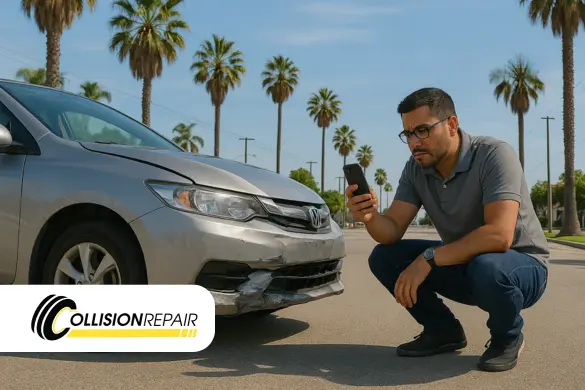
One of the most overlooked concerns is undercarriage damage. Scrapes, dents, or cracks beneath the vehicle may harm the exhaust system, fuel lines, or protective shields. Because this part of the car is out of sight, many drivers remain unaware until problems become severe.
Why Professional Inspection Matters
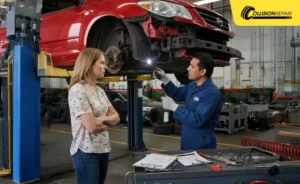
Not all damage can be seen with the naked eye. Visiting a trusted car repair shop after any collision is vital. Professionals use diagnostic tools and lifts to evaluate hidden problems thoroughly. A proper assessment helps ensure your car is safe to drive and prevents small issues from becoming expensive repairs.
What You Can Do After a Crash
To protect yourself and your vehicle:
- Schedule an inspection with a qualified technician.
- Keep detailed records of repairs for insurance claims.
- Pay attention to unusual sounds, leaks, or handling issues.
- Don’t delay repairs—minor issues often lead to bigger risks.
💡 Tip: Be cautious about using an insurance company’s “preferred” auto body shop. While convenient, these shops may prioritize cutting costs over thorough repairs, which could leave hidden damage unaddressed. Always choose a repair center that prioritizes your safety and vehicle quality.
Don’t Let Hidden Damage Cost You More
Hidden car damage after an accident can affect your vehicle’s safety and value if ignored. Knowing what to look for, from frame misalignment to undercarriage damage, ensures you make informed repair decisions.
At Collision Repair (CORE), we strive to connect you with dependable car repair shops and towing services whenever needed. Call us today to get linked with trusted professionals who can keep your car safe and road-ready.